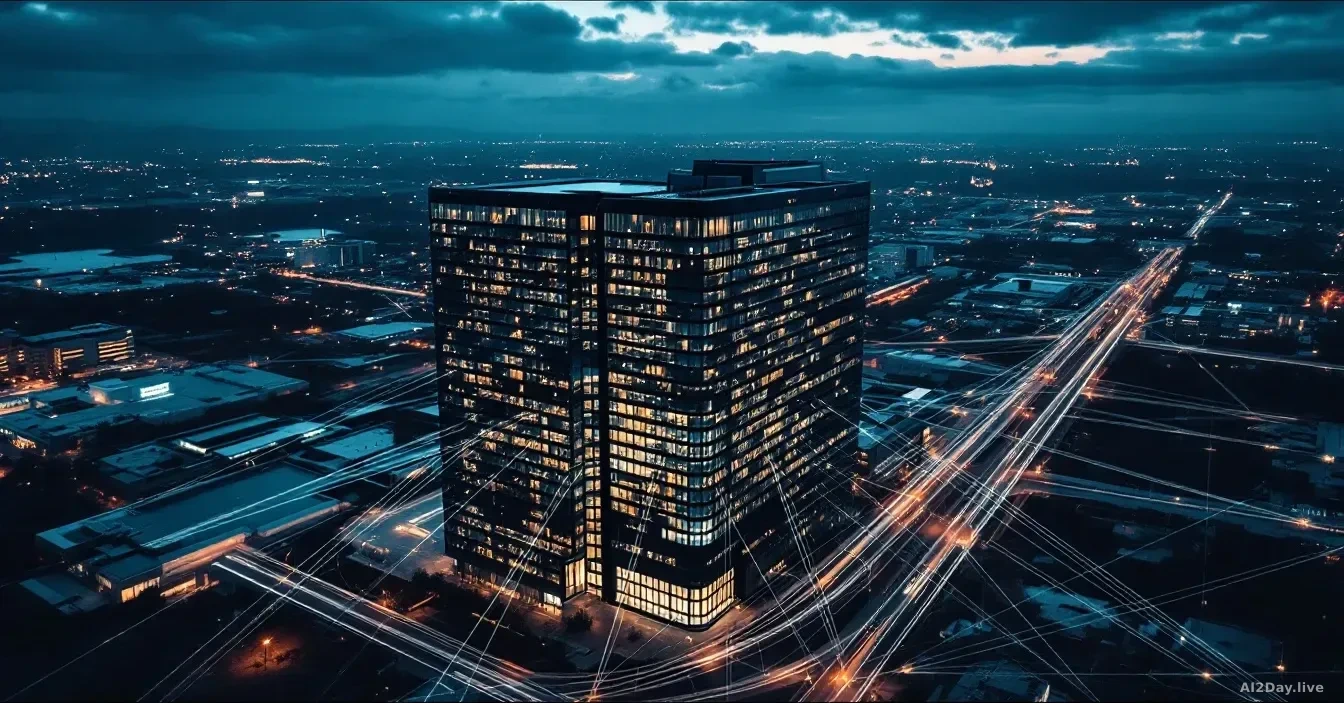
A Scottish AI megasite promised green energy. The reality looks very different.
An £8.2 billion AI data centre complex in rural Scotland overstated its plans to run entirely on renewable power. Reporters had to leave their desks to find that out.
Key points
- An £8.2 billion AI data centre complex planned for rural Scotland misrepresented its renewable energy commitments, according to a Guardian investigation published this week.
- Reporters physically travelled to Scotland to verify claims the site could not support with paperwork alone.
- The story is part of a wider shift in tech journalism: the AI industry now builds things you can touch, and checking those things requires boots on the ground.
- Guardian journalist Aisha Down said physical constraints, not software limits, will decide whether the AI boom succeeds or collapses.
For most of the past decade, covering the tech industry meant reading press releases, attending product launches, and watching livestreams. The hardware was tucked away. The action was on screens.
That has changed.
AI, the technology behind tools like ChatGPT, runs on data centres: enormous warehouse-style buildings packed with specialised computers that consume staggering amounts of electricity and water. Those buildings have to be built somewhere. They need land, power lines, planning permission, and a believable story about where the energy comes from.
That last part is where a Scottish project ran into trouble.
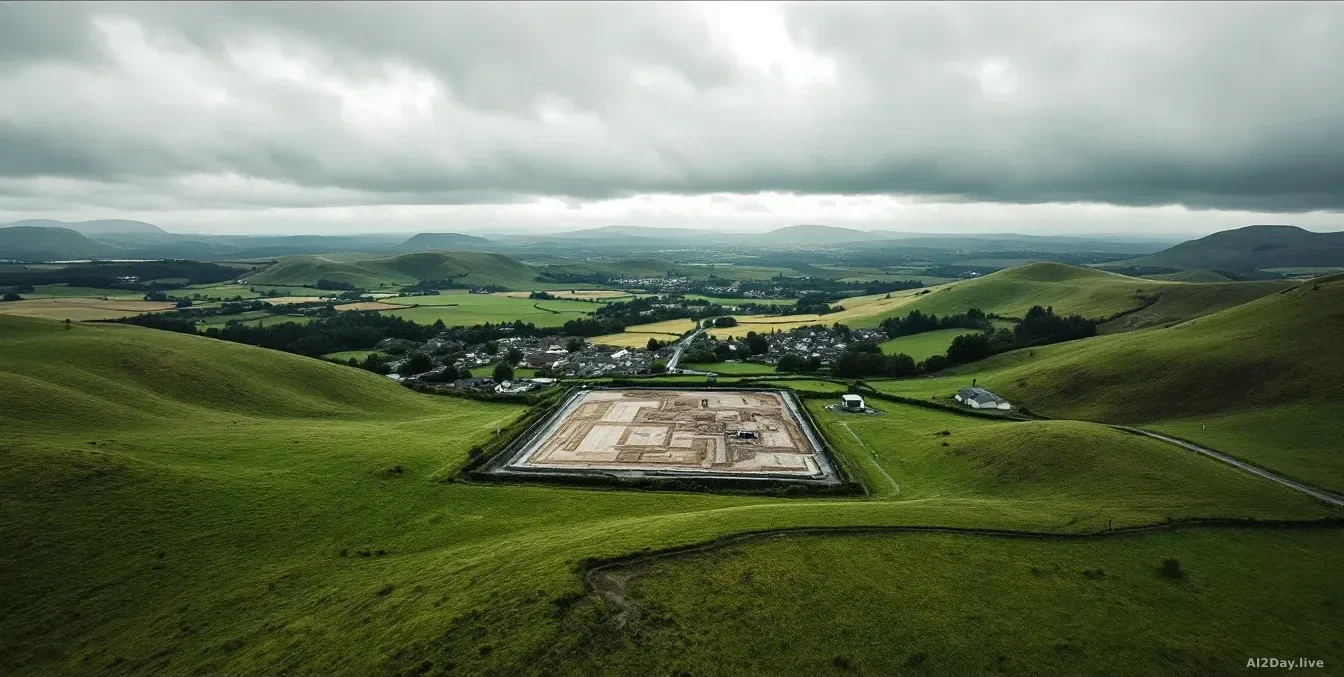
The Guardian, as reported by its global tech team, found that an £8.2 billion AI infrastructure complex planned for a rural Scottish site had misrepresented its intentions to run entirely on renewable energy generated on-site. The gap between what was promised and what the site could realistically deliver only became clear once journalists travelled there in person.
"Our reporting is showing that you can't simply wave a magic wand and have a datacentre appear," said Aisha Down, the Guardian reporter who covered the story. "There are a lot of huge physical constraints and reality checks. These physical, tangible things are what makes or sinks the AI boom."
This matters beyond Scotland.
AI companies worldwide have made sweeping promises about running their data centres on clean energy. Verifying those promises requires old-fashioned reporting: talking to local planners, reading grid connection documents, knocking on doors. The same skills that once sent journalists to war zones and council meetings now send them to server farms in remote countryside.
Why should ordinary people care about this?
Because the cost of building and powering AI infrastructure lands somewhere, and right now that somewhere is often local communities, electricity grids, and the environment near these sites.
If a data centre claims it will run on green energy but actually draws from the national grid like any other large industrial site, that affects emissions figures, energy prices, and the credibility of every corporate climate pledge that follows the same template.
Down's phrasing is worth holding onto: physical constraints make or sink the AI boom. The billions of dollars flowing into AI are not abstract. They become steel, concrete, cooling systems, and power cables. Those things take time. They face planning objections. They compete for grid capacity with hospitals and homes.
Watch for green energy claims attached to new data centre announcements. Ask who verified them, and whether anyone actually visited the site.