The Welding Robot That Teaches Itself the Perfect Path
Path Robotics uses AI vision to guide welding torches in real time. Now it is sending robot dogs into shipyards. Here is what that means for manufacturing.
Key points
- Path Robotics, based in Columbus, Ohio, uses AI and real-time cameras to guide welding robots along the correct torch path automatically.
- The company is deploying Boston Dynamics' Spot, a four-legged walking robot, into mobile welding jobs inside shipbuilding facilities.
- Andy Lonsberry, co-founder and CEO of Path Robotics, spoke about the technology on Episode 252 of The Robot Report Podcast.
- Michael Yip, an assistant professor at the University of California San Diego, is applying similar AI motion-planning ideas to surgical robots.
Welding a ship hull is brutal, skilled work. Hold the torch wrong for a second and the joint fails. Train a human welder for years and they might still retire before you finish the drydock.
Path Robotics thinks AI can do it better, and faster.
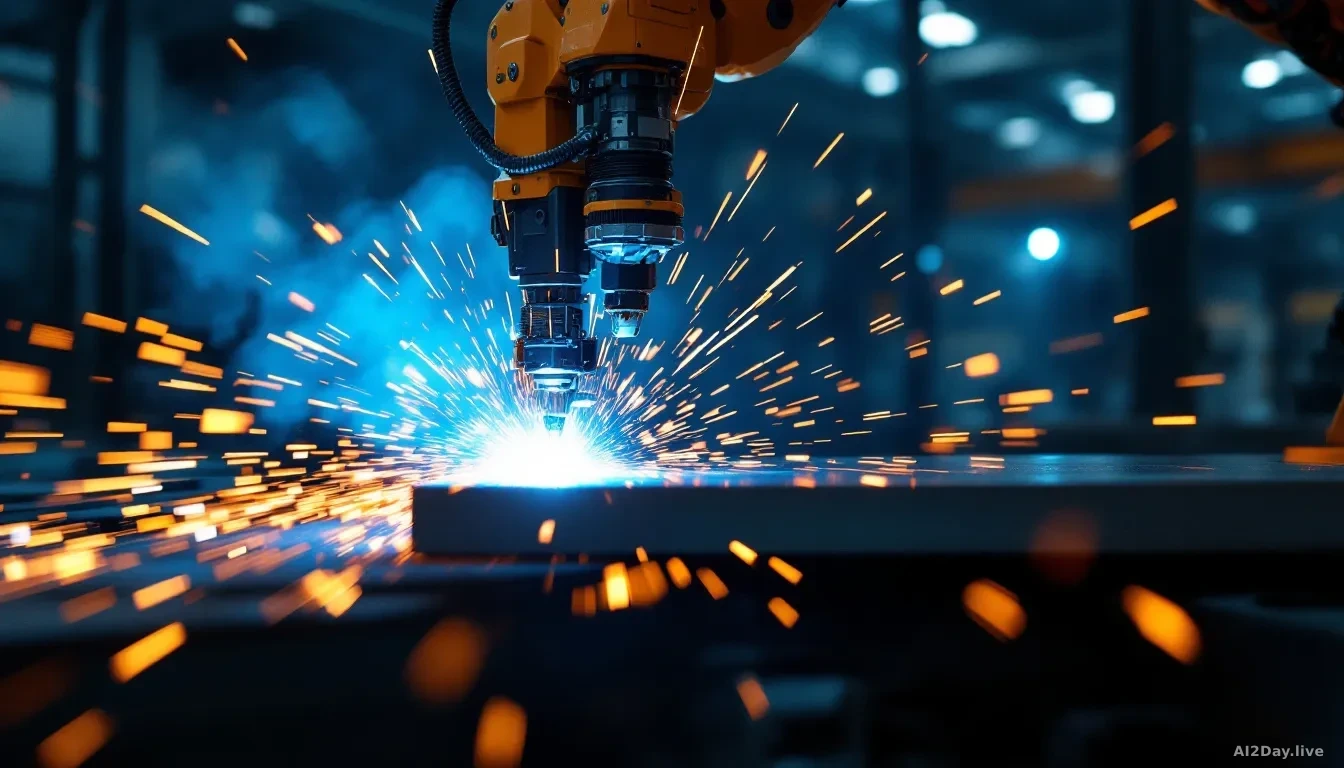
The Columbus, Ohio company has built a system that watches a weld in real time using computer vision (cameras paired with software that interprets what the camera sees) and then steers the robot arm along the best possible path. No pre-programmed route. The robot reads the metal and adjusts as it goes.
Andy Lonsberry, co-founder and CEO of Path Robotics, explained the challenge on a recent episode of The Robot Report Podcast. Setting up a traditional welding robot is time-consuming and brittle: change the part slightly and you often have to reprogram the whole sequence. Path's approach uses what Lonsberry calls "physical AI", meaning software that reasons about the real, messy physical world rather than a tidy digital model of it.
The result is a system that can handle variation. Real sheet metal warps. Real welds have gaps. The robot sees it and compensates.
What does this mean for workers and factories?
For factory owners, it means shorter setup times and fewer rejected welds. For skilled welders, the picture is more complicated. Automating the repetitive, dangerous passes could free humans for inspection and finishing work, though it will also reduce demand for entry-level welding roles over time.
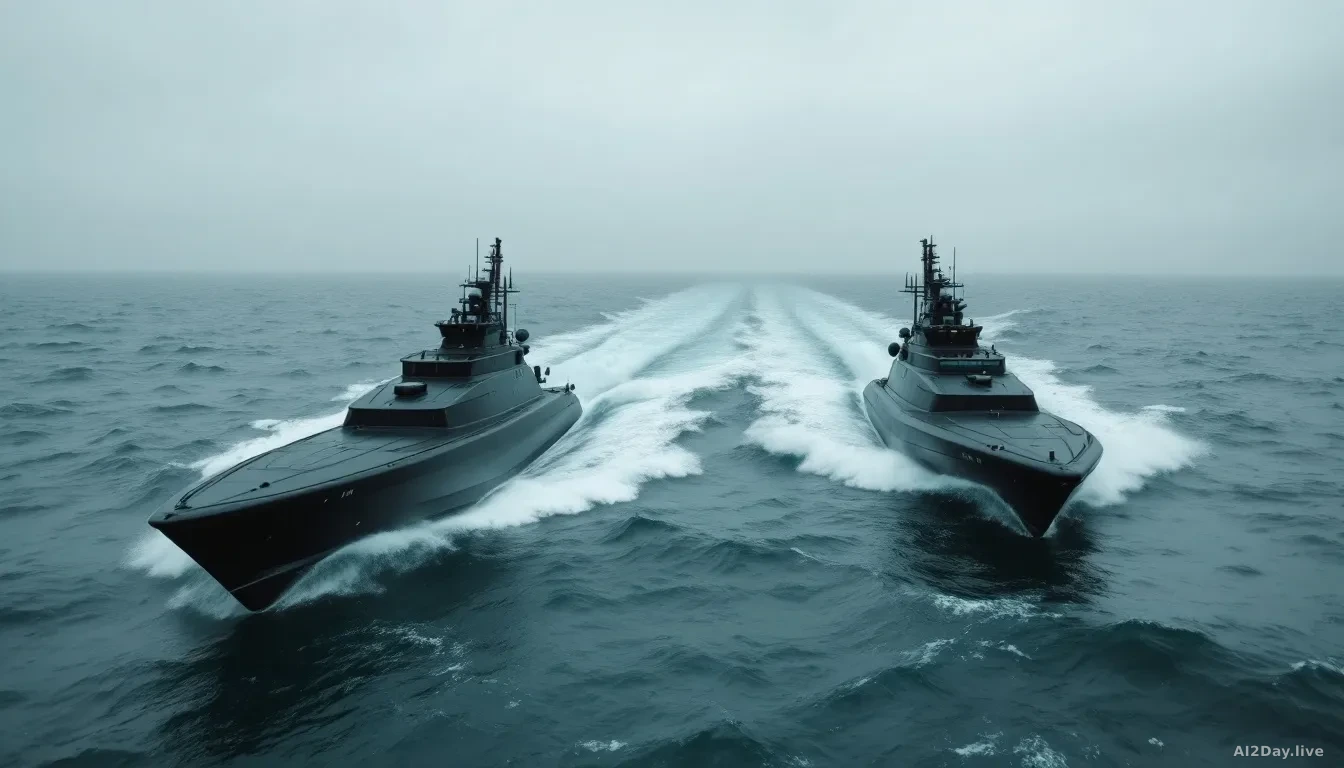
Path is now pushing into shipbuilding, one of the hardest manufacturing environments around. Ships are enormous, the work is dirty, and the geometry changes constantly. The company is using Boston Dynamics' Spot, the four-legged walking robot that can climb stairs and cross uneven ground, as a mobile platform to carry welding equipment across a shipyard floor. A wheeled robot would get stuck. Spot keeps moving.
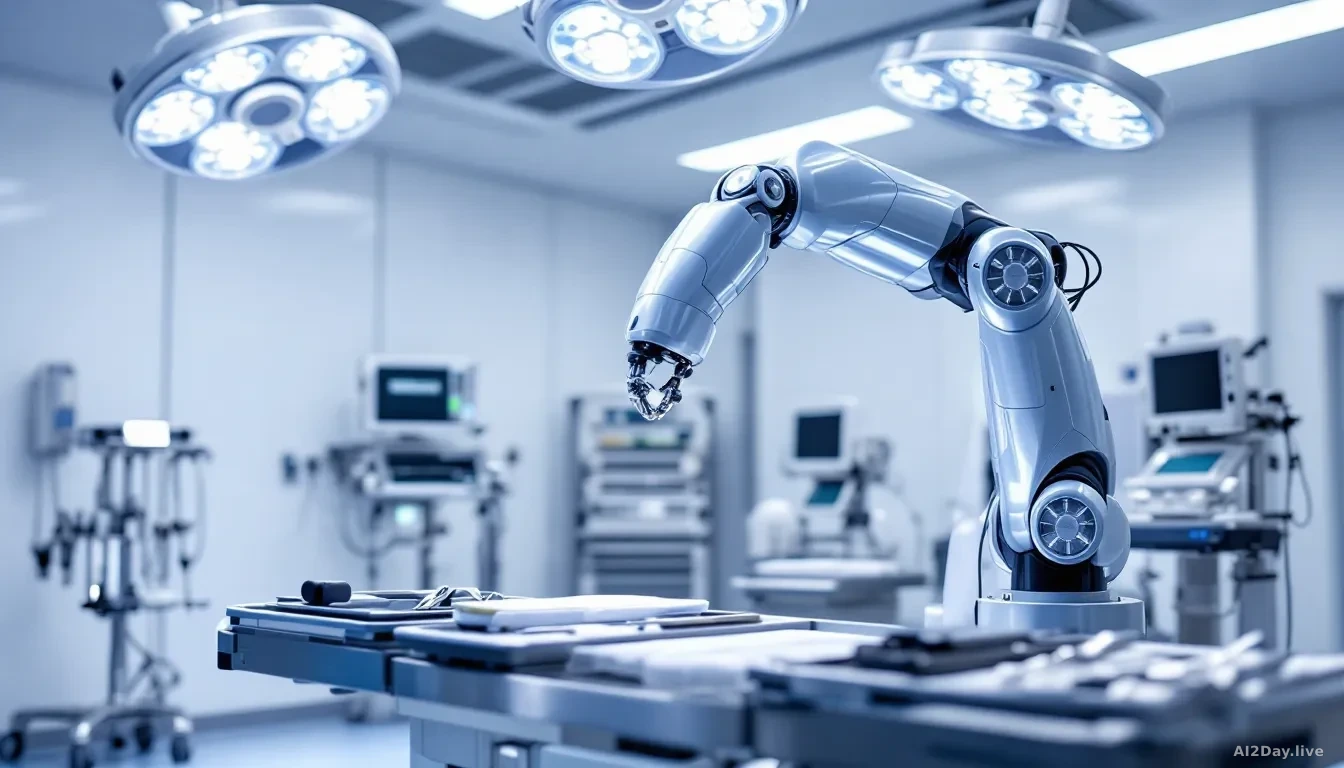
Also on the podcast, Michael Yip, an assistant professor of electrical and computer engineering at UC San Diego, described applying the same family of ideas, deep learning (AI trained on huge amounts of data) and reinforcement learning (AI that improves by trial and error), to surgical robots. His lab at the Advanced Robotics and Controls Laboratory is working on robots that can assist or automate parts of surgical procedures.
Two very different operating rooms. One factory floor, one hospital. The same core question: can an AI learn to move precisely enough, in an unpredictable environment, to be trusted with high-stakes work?
Path Robotics says yes, at least in the shipyard. The surgical side is further off. But the progress on both fronts is moving faster than most people outside the field realise.