Why Spotting AI-Generated Faces Is Getting Harder
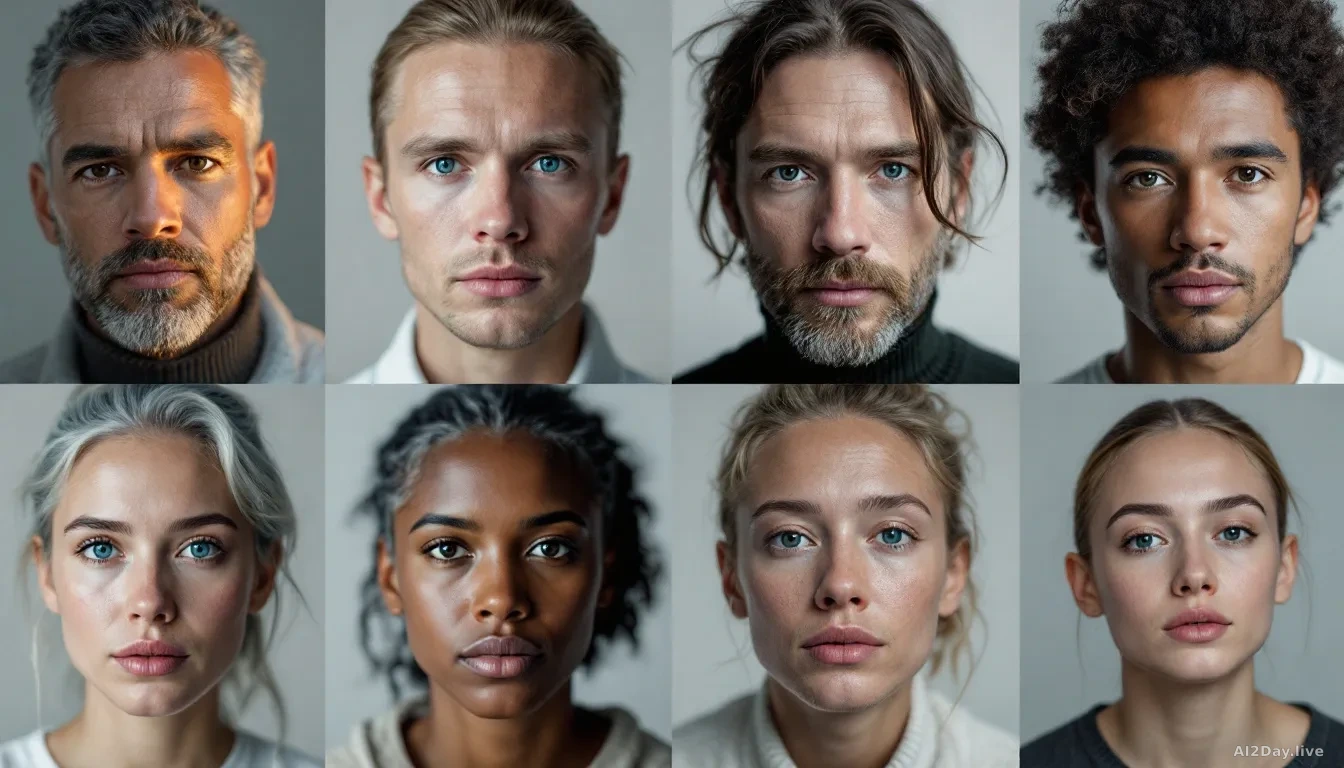
AI-generated faces are becoming more convincing, making it tough for ordinary people to spot digital fakes.
Key points
- Researchers at Australian National University report AI-generated faces now fool most people.
- Training to spot flaws like extra fingers is no longer reliable as AI improves.
- A global research team is developing subtle detection methods with early promise.
Spotting AI-generated faces used to be easy. An extra finger, a lopsided ear, or teeth that didn't fit right gave them away. But now, AI image tools are getting so good that these glaring errors are disappearing. This makes it much harder to tell a real person's photo from a computer-generated one.
Professor Amy Dawel from the Australian National University (ANU) leads a research team trying to help people keep up. As first reported by ThreatVectr, her team spans Australia, Canada, and the UK, and is working on new ways to identify digital fakes.
Why does this matter to the average person? Scammers use these realistic AI faces to create fake profiles on dating apps, job sites, and social media. A convincing face helps them win trust faster. This means more people might hand over their money or personal details before realizing they've been duped.
The old advice to look for weird ears or count the fingers is no longer enough. AI systems have learned from their mistakes and improved. Dawel's team is now focused on finding more subtle signs of a fake. They believe people can still learn to spot AI faces but need new training.
No single trick works yet, and sharing a checklist would just help fraudsters improve their fakes. For now, the best advice is to be cautious. If you get an unexpected message from someone new, especially if they avoid video calls or have very few older photos, be skeptical. A reverse image search can sometimes catch a fake by seeing where else the photo appears online.
Should users be worried?
Yes, but not panicked. The tech behind fake faces is advancing faster than most people's ability to detect them. Researchers are working hard to close this gap. Until they succeed, it's wise to pause before trusting a stranger's photo.
Dawel's ongoing research offers hope. With new detection methods, people might soon get better at identifying fake AI faces. Until then, a healthy dose of skepticism remains a sensible defense.